



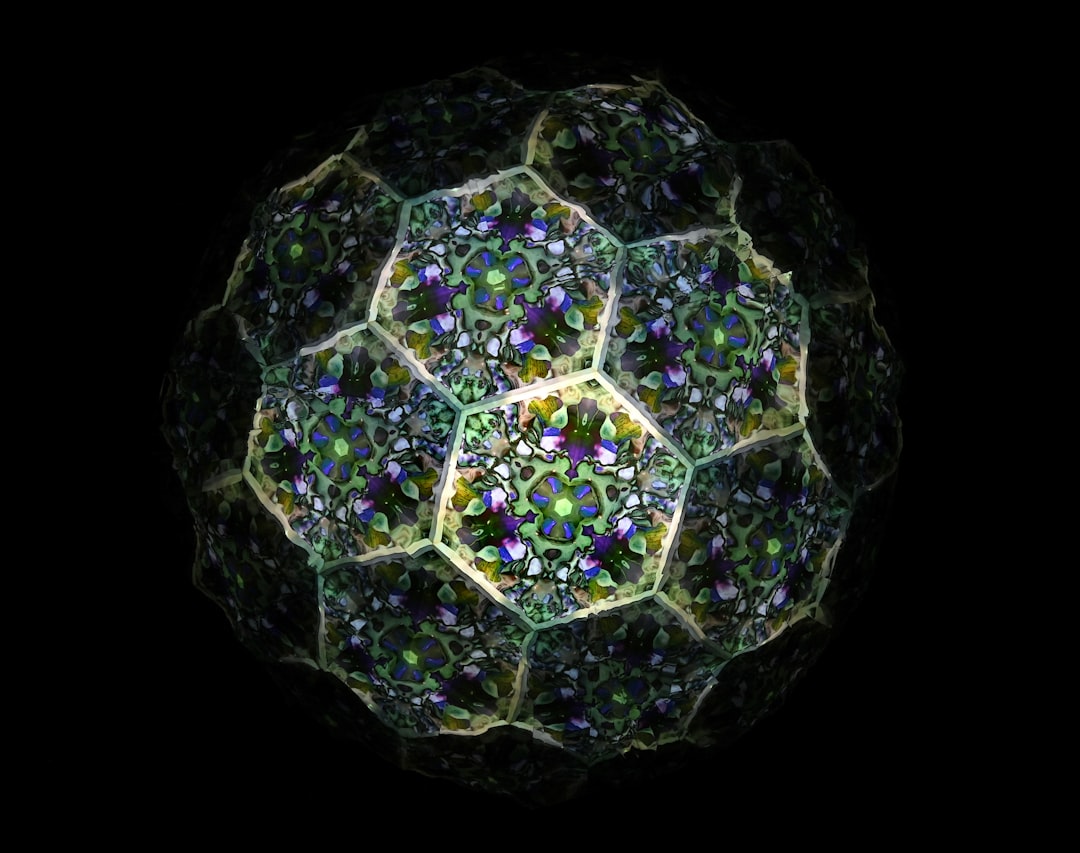
Inside the Cell: A World of Activity
Cells are dynamic units where countless processes occur every second. Understanding these functions can offer insight into both health and the underlying mechanisms of life.
1. Cellular Respiration
Cellular respiration is the process by which cells convert nutrients into energy. This essential function can be summarized in the following steps:
- Glycolysis: The breakdown of glucose in the cytoplasm.
- Krebs Cycle: The production of energy-carrying molecules.
- Electron Transport Chain: The final production of ATP in the mitochondria.
2. Protein Synthesis
Cells require proteins for various functions. The process includes:
- Transcription: DNA is transcribed into mRNA.
- Translation: mRNA is translated into a polypeptide chain at ribosomes.
3. Cell Division
The process of mitosis allows a single cell to divide into two daughter cells, essential for growth and repair. Key phases include:
- Prophase: Chromosomes become visible.
- Metaphase: Chromosomes align in the center.
- Anaphase: Chromatids are pulled apart.
- Telophase: The cell divides.
4. Cell Signaling
Cells communicate with each other through signaling pathways, which include:
- Autocrine signaling
- Paracrine signaling
- Endocrine signaling
Real-World Example: Cancer
Understanding these processes is critical in cancer research. For instance, cancer can arise from errors in cellular respiration or cell division, highlighting the importance of these cellular functions.
Best Practices for Maintaining Cellular Health
- Eat a balanced diet rich in antioxidants.
- Engage in regular physical activity to support cellular functions.
- Avoid exposure to toxins that can disrupt cellular processes.
Conclusion
The daily activities within our cells are fundamental to our overall health. A thorough understanding of these processes not only provides insight into biology but also into how we can maintain our health through everyday choices.
