



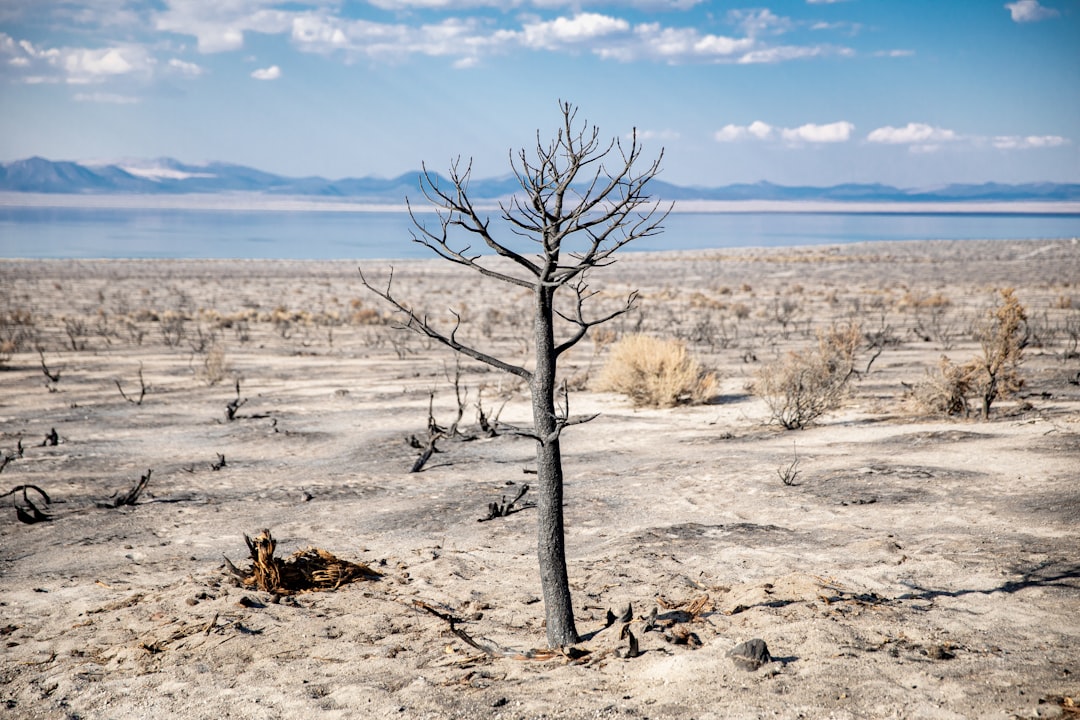
Understanding Climate Change
Climate change is reshaping our planet in complex ways, affecting ecosystems across the globe. From altering species distribution to impacting food webs, the consequences are far-reaching.
Surprising Effects on Ecosystems
1. Shifts in Species Migration
As temperatures rise, many species are migrating to cooler areas. This shift can disrupt local ecosystems. For example, certain bird species are moving northward, while some fish are relocating to deeper, cooler waters.
2. Coral Bleaching
Increased sea temperatures are causing coral bleaching, which threatens marine biodiversity. Healthy coral reefs support numerous species; their decline can lead to imbalances.
3. Changes in Pollinator Activity
Climate change affects the life cycles of pollinators like bees. Altered blooming times can lead to mismatches between plants and their pollinators, impacting food production.
4. Increased Pest Outbreaks
Warmer climates can lead to increased insect populations. This can result in greater pest outbreaks, harming vegetation and altering ecosystem dynamics.
Practical Steps to Mitigate Impact
- Support Conservation Efforts: Participate in local initiatives that focus on protecting habitats.
- Educate the Community: Spread awareness about climate change effects on ecosystems.
- Reduce Carbon Footprint: Use public transportation, recycle, and support renewable energy sources.
Final Thoughts
Understanding the unexpected ways climate change impacts ecosystems is crucial for developing effective strategies to address these challenges. By taking action, we can contribute to a healthier planet.
