



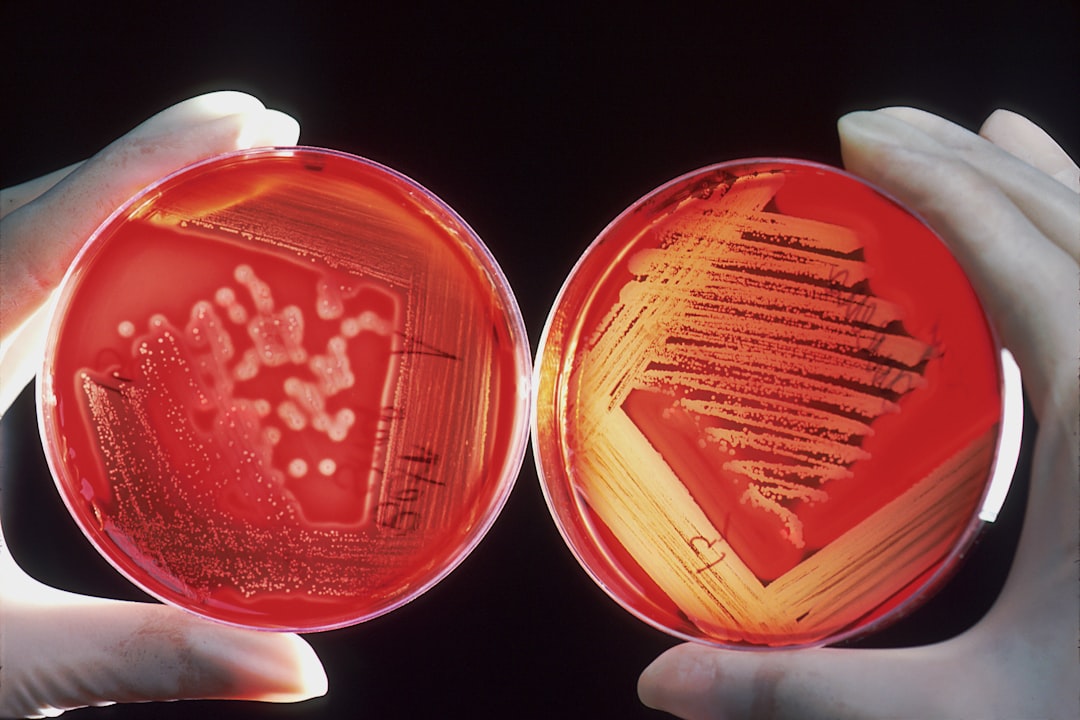
Understanding the Human Microbiome
The human microbiome consists of trillions of microorganisms that inhabit our bodies, influencing various aspects of our health. These tiny organisms can play a significant role in our overall well-being.
The Role of Microbiome in Health
The microbiome affects metabolic processes, immune system function, and even mental health. Here’s how:
- Disease Prevention: A balanced microbiome can help prevent diseases by supporting immune functions.
- Digestion: Gut bacteria assist in breaking down food, aiding nutrient absorption.
- Mental Health: Certain microbes produce neurotransmitters that can influence our mood and mental state.
Influencing Factors
Several factors affect our microbiome, including:
- Diet: A diverse diet rich in fruits, vegetables, and whole grains supports a healthy microbiome.
- Antibiotic Use: Overuse of antibiotics can disrupt the balance of gut bacteria.
- Lifestyle Choices: Stress management and regular physical activity can improve microbiome health.
Practical Steps to Enhance Your Microbiome
Here are actionable steps to maintain a healthy microbiome:
- Incorporate fermented foods like yogurt and kimchi into your diet.
- Limit processed foods and sugars to reduce harmful bacteria.
- Stay hydrated to support overall microbiome functions.
- Engage in regular exercise to promote gut health.
Real-World Examples
Studies have shown that individuals with a varied diet have more diverse microbiomes. This diversity is beneficial for health and can lead to lower rates of obesity and associated diseases.
Conclusion
Caring for our microbiome is crucial for enhancing our overall health. By making informed lifestyle choices, we can support our microbial companions and, consequently, our well-being.
