



Introduction
Black holes are one of the most fascinating and enigmatic phenomena in the universe. They challenge our understanding of physics and how we perceive the cosmos. This article will explore how black holes defy conventional wisdom and what researchers are uncovering as they delve deeper into their mysteries.
What Are Black Holes?
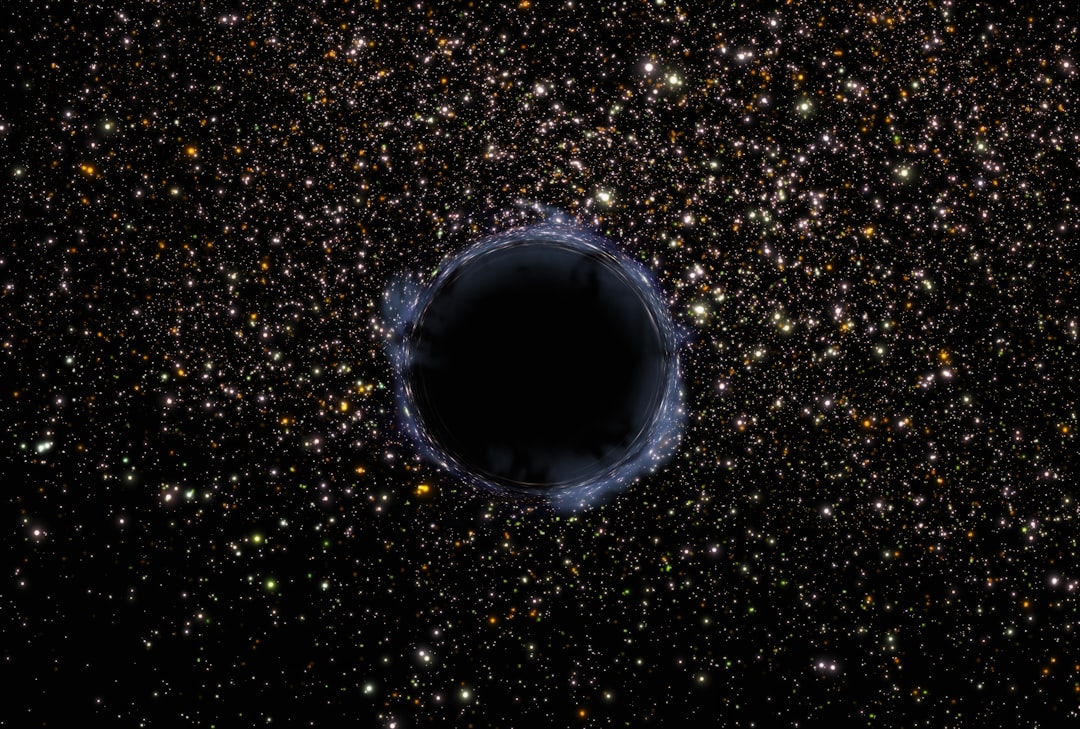
A black hole is a region of space where gravity is so strong that nothing, not even light, can escape from it. They are formed from the remnants of massive stars after they undergo gravitational collapse.
The Event Horizon
The event horizon is the boundary surrounding a black hole, beyond which no information or matter can return. This characteristic raises profound questions about the nature of reality and our understanding of time and space.
How Do Black Holes Challenge Our Understanding?
- Gravity and Space-Time: Black holes exemplify how gravity can warp space-time, redefining our understanding of both.
- Information Paradox: The fate of information that falls into a black hole leads to significant debates among physicists.
- Quantum Mechanics vs. General Relativity: The behavior of black holes often highlights conflicts between these two fundamental theories.
Real-World Examples
The most famous black hole, Sagittarius A*, located at the center of the Milky Way, was recently imaged by the Event Horizon Telescope. This achievement has provided visual evidence of the existence of black holes, reinforcing some theories while challenging others.
Best Practices for Understanding Black Holes
- Stay updated with the latest research in astrophysics.
- Engage with educational materials like documentaries and books on cosmology.
- Participate in astronomy forums to discuss black hole theories with experts.
Common Mistakes
- Misunderstanding the nature of black holes as ‘holes’ in space.
- Confusing black holes with other celestial phenomena, such as neutron stars.
Conclusion
Black holes are not just cosmic vacuum cleaners; they are gateways to a greater understanding of the fundamental laws of the universe. By studying them, we are forced to confront the limits of our knowledge and the potential for new discoveries that lie beyond.
